
Great Missenden
Church of England School
Science
Curriculum Statement
Intent
At Great Missenden Church of England School, we are committed to providing a high-quality science education that develops pupils’ curiosity, confidence and understanding of the world around them. From the Early Years onwards, our curriculum is designed to ensure that all pupils, regardless of starting point, acquire secure and connected scientific knowledge while developing the skills to think and work scientifically.
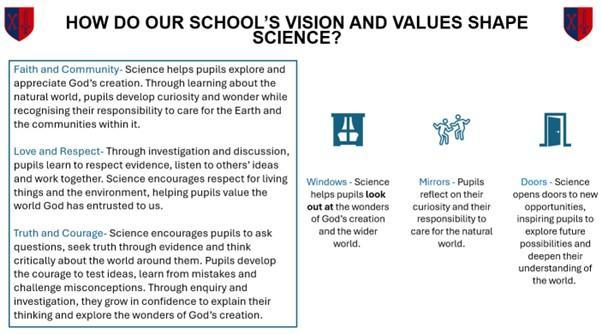
Our science curriculum reflects our school vision and values. Through the study of science, pupils are encouraged to explore and appreciate the natural world, developing a sense of awe and responsibility for the environment and the communities within it. They learn to work collaboratively, respect evidence and consider the ideas of others, while developing the confidence to ask questions, think critically and seek answers through enquiry.
We aim to inspire a lifelong interest in science by enabling pupils to explore ideas, reflect on their understanding and recognise the relevance of science in their lives and the wider world. Through a carefully sequenced curriculum, pupils build both substantive knowledge and disciplinary knowledge, allowing them to make sense of scientific concepts and apply their learning in meaningful contexts.
How do our school's vision and values shape Science?
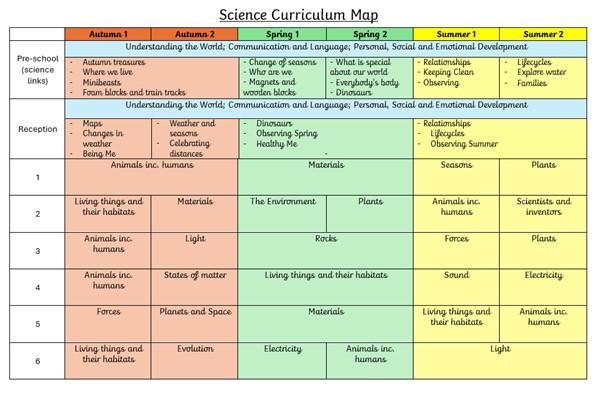
Curriculum
Pupil Experiences
Useful Information for Parents
Resources
Parents can support their child’s scientific development through simple, everyday experiences, such as:
- exploring the natural environment
- observing seasonal changes
- cooking and measuring
- discussing how everyday objects work
Encouraging children to ask questions and talk about their ideas is key to developing their understanding of science.
Places to Visit
There are many opportunities locally for families to explore science beyond the classroom, including:
- The Chiltern Hills for exploring habitats, plants and seasonal change
- College Lake Nature Reserve for observing wildlife and ecosystems
- Natural History Museum for learning about animals, fossils and evolution
- Science Museum for hands-on experiences of forces, electricity and space
- Didcot Railway Centre to explore engineering and how things work
Helpful Websites
We recommend the following websites to support children’s scientific learning at home:
- BBC Bitesize – age-appropriate explanations and quizzes
- National Geographic Kids – engaging articles and videos
- STEM Learning – activities and ideas for home learning
- Explorify – simple, discussion-based science activities
Further Support
If you would like further information about how to support your child in science, please speak to your child’s class teacher.